If you’re dealing with autoimmune joint pain, you know how much it can affect your daily life. Conditions like rheumatoid arthritis and lupus cause your immune system to attack joint tissue. This leads to inflammation, stiffness, and chronic pain. The good news is that autoimmune joint pain treatments have advanced significantly. You have multiple options to find relief. At AllCare Health & Pain in Jersey City, our team understands the complexity of autoimmune conditions. We offer comprehensive treatment approaches tailored to your specific needs.
Why Choose AllCare Health & Pain for Autoimmune Joint Pain Management
When you’re managing autoimmune joint pain, having access to a multidisciplinary team helps. AllCare Health & Pain brings together pain management providers, physical therapists, chiropractors, acupuncturists, and orthopedic care under one roof. This integrated approach means you receive coordinated care. Your pain gets addressed from multiple angles. You won’t see separate providers who don’t communicate with each other.
Our team, including Dr. James Liu (Pain Management, MD), Dr. Charles A. Kaplan (Physical Medicine and Rehabilitation), and Muhammad Z. Moral, MD, MBA (Orthopedic), develops personalized treatment plans. We base these plans on your condition, severity, and health goals. We combine evidence-based medical treatments with complementary therapies. This creates a comprehensive strategy that may work for your body. This approach has helped many patients in Jersey City manage their autoimmune joint pain.
Understanding Autoimmune Joint Pain and Its Impact
Autoimmune joint pain occurs when your immune system mistakenly attacks the lining of your joints. This inflammation leads to pain, swelling, stiffness, and reduced mobility. Common autoimmune conditions affecting joints include rheumatoid arthritis, lupus, and other connective tissue disorders. Unlike osteoarthritis, which develops from wear and tear, autoimmune joint pain stems from your body’s own immune response.
The impact goes beyond physical discomfort. Many people with autoimmune joint pain experience fatigue, difficulty sleeping, and emotional stress from chronic pain. This is why professional treatment may be helpful. It addresses not just the pain itself, but your overall quality of life and function. Our pain management team is equipped to address these multifaceted challenges.
Medication-Based Treatment Options
Your doctor may recommend several types of medications to manage autoimmune joint pain. Understanding these options helps you make informed decisions about your care. According to the American College of Rheumatology, early and aggressive treatment of autoimmune joint conditions can prevent long-term joint damage.
NSAIDs and Anti-Inflammatory Medications
Nonsteroidal anti-inflammatory drugs (NSAIDs) like ibuprofen and naproxen reduce inflammation and pain. These medications work by blocking the production of inflammatory substances in your body. Many people start with over-the-counter NSAIDs. Prescription-strength options are available for more severe pain. NSAIDs provide relatively quick relief, often within hours. They may work well for managing acute flare-ups. Learn more about medication for the treatment of arthritis pain.
Corticosteroids and Disease-Modifying Treatments
Corticosteroids like prednisone ease inflammation and pain while slowing joint damage. These medications work more powerfully than NSAIDs. However, they require careful medical supervision due to potential side effects with long-term use. Disease-modifying antirheumatic drugs (DMARDs) and biologic therapies target your immune system more directly. They may help prevent progressive joint damage. Your pain management doctor will determine which medications may suit your specific condition and health profile.
Physical Therapy and Movement-Based Treatments
Physical therapy plays an important role in managing autoimmune joint pain. A licensed physical therapist designs exercises that strengthen the muscles around your joints. These exercises improve flexibility and maintain your range of motion. Stronger muscles provide better support for your joints. This may reduce pain and improve stability.
Research shows that home-based physical activity interventions reduce autoimmune rheumatic disease symptoms and pain while improving function. The key is working with a professional who understands autoimmune conditions. Your therapist can modify exercises based on your current pain levels and capabilities. At AllCare Health & Pain, our physical therapists guide you through safe, effective movements. We help you maintain independence and quality of life. Explore arthritis pain exercise options tailored to your needs.
Complementary and Holistic Treatment Approaches
Beyond medication and physical therapy, several complementary approaches may support your pain management strategy.
Acupuncture and Traditional Therapies
Acupuncture, practiced by licensed acupuncturists like Ani Baran on our team, may help manage pain. It works by stimulating specific points on your body. Many patients report reduced pain and improved mobility after acupuncture sessions. Massage therapy also may help relieve muscle tension that often accompanies joint pain. It may improve circulation and promote relaxation. Consider arthritis pain massage as part of your comprehensive treatment strategy.
Heat and Cold Therapy
Heat therapy relaxes muscles and increases blood flow to painful areas. It may work particularly well for stiffness. Cold therapy reduces inflammation and numbs pain. It may work better for acute swelling. Many people find that alternating between heat and cold provides the most relief. Your care team can recommend which approach may work best for your specific symptoms. Learn more about arthritis pain treatment using hot and cold packs.
Creating Your Personalized Treatment Plan
Every person’s autoimmune joint pain is different. One-size-fits-all treatment rarely works. A comprehensive evaluation by your pain management team identifies your specific condition, pain patterns, and health goals. From there, your doctor develops an integrated treatment plan. This plan may combine medication, physical therapy, complementary therapies, and lifestyle modifications.
Your plan may include regular follow-up appointments to monitor your progress. We adjust treatments as needed. This personalized approach aims to help you receive care tailored to your unique situation. AllCare Health & Pain focuses on creating these customized strategies. We address your pain while working to improve your overall function and quality of life. Our Hudson County pain management services are designed to meet your specific needs.
Frequently Asked Questions About Autoimmune Joint Pain Treatments
What is the most effective treatment for autoimmune joint pain?
The most effective treatment varies by individual and condition type. Many people benefit from a combination approach. This approach may use medication, physical therapy, and complementary therapies. Your pain management doctor will recommend a strategy based on your specific diagnosis and health profile. Research from the National Institutes of Health supports multimodal treatment approaches for autoimmune conditions.
How long does it take to see results from treatment?
Timeline varies depending on the treatment type. Some medications may provide relief within days. Others may take weeks or months to show full effectiveness. Physical therapy benefits often appear gradually over several weeks. Strength and flexibility improve as you progress. Many patients benefit from understanding how chronic pain impacts the nervous system.
Can autoimmune joint pain be cured?
Most autoimmune conditions are managed rather than cured. The goal of treatment is to reduce pain. We work to slow disease progression. We aim to improve your ability to function in daily life. Many people achieve significant symptom relief with proper treatment. Learn about understanding chronic pain and knowing if it can it be cured or just managed.
Is physical therapy safe for autoimmune joint conditions?
Yes, physical therapy is safe and beneficial when guided by professionals experienced with autoimmune conditions. Your therapist modifies exercises based on your current pain levels and capabilities. This aims to help you strengthen your body without causing harm. Discover whether physical therapy is painful and what to expect.
What should I expect during my first visit?
During your initial appointment, your care team reviews your medical history. We discuss your symptoms and pain patterns. We perform a physical examination. Based on this evaluation, we develop a personalized treatment plan. We explain your options for moving forward. Our Jersey City pain management clinic provides comprehensive initial evaluations.
Take the Next Step Toward Pain Relief
Living with autoimmune joint pain doesn’t mean accepting constant discomfort. Effective treatments exist. AllCare Health & Pain is ready to help you find the approach that may work for your body. Our multidisciplinary team in Jersey City combines medical knowledge with personalized care. We address your pain comprehensively.
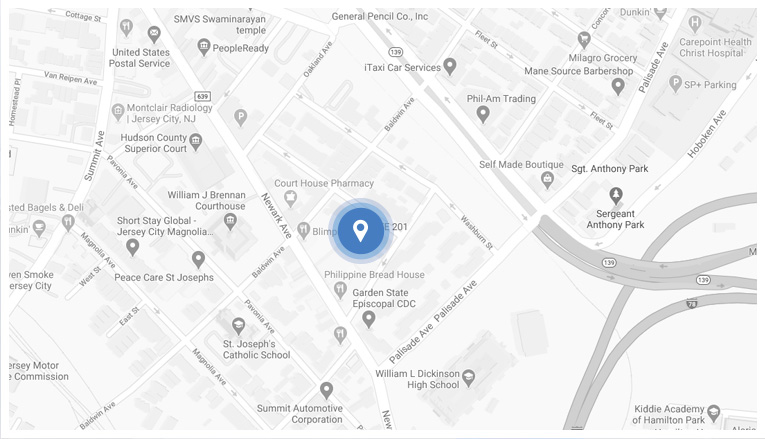
Contact AllCare Health & Pain today at 201-386-9800 to schedule your consultation. We’re located at 550 Newark Ave Suite 201, Jersey City, NJ 07306. Let our team develop a treatment plan. Our firm helps you manage your autoimmune joint pain and work to reclaim your quality of life.
 Call Us: 201-386-9800